
menu
Photos HiRes
animation CODI LEE FANT
TEPHRA is an exploration into the cataclysmic events from our past shaping our present selves. The term is in reference to the hardened material from volcanic eruptions, acting as a geological artifact of the self, memory, and a tangible connection to the most emotionally volatile experiences that, while destructive, also create something deeply fertile and nurturing.
Trawlerboy’s (Lukas Laurent) debut EP Elsewhere is a piercingly intimate portrayal of our innermost desires to escape. Composed of five songs, each distinct in texture and timbre, Elsewhere presents a sonic journeying through otherworldly soundscapes in a quest to reflect the beauty and horror that mark everyday existence. Primarily recorded after a recent move to Seattle, Washington, the EP follows the thematic art of relocation: the sensory experience of being out of place and body.
Walking and exploring Seattle’s coastal waterfront influenced the wandering structure of the songs, as well as the conceptual underpinnings of walking as a method to articulate the spatial depths of our interior, psychic landscapes to meander our way toward self-liberation. Described as “love letters to my twelve or thirteen-year-old self stuck in a trailer park in North Texas,” each song channels themes of dissociation, solitude, and the futility of self-preservation. Finding early resonance in the music of Richard D James, Björk, Harold Budd, David Sylvian, Bill Evans, and Yellow Magic Orchestra, Trawlerboy’s sound is a kaleidoscope of references that slip between the percussive, atmospheric, electronic, and orchestral.
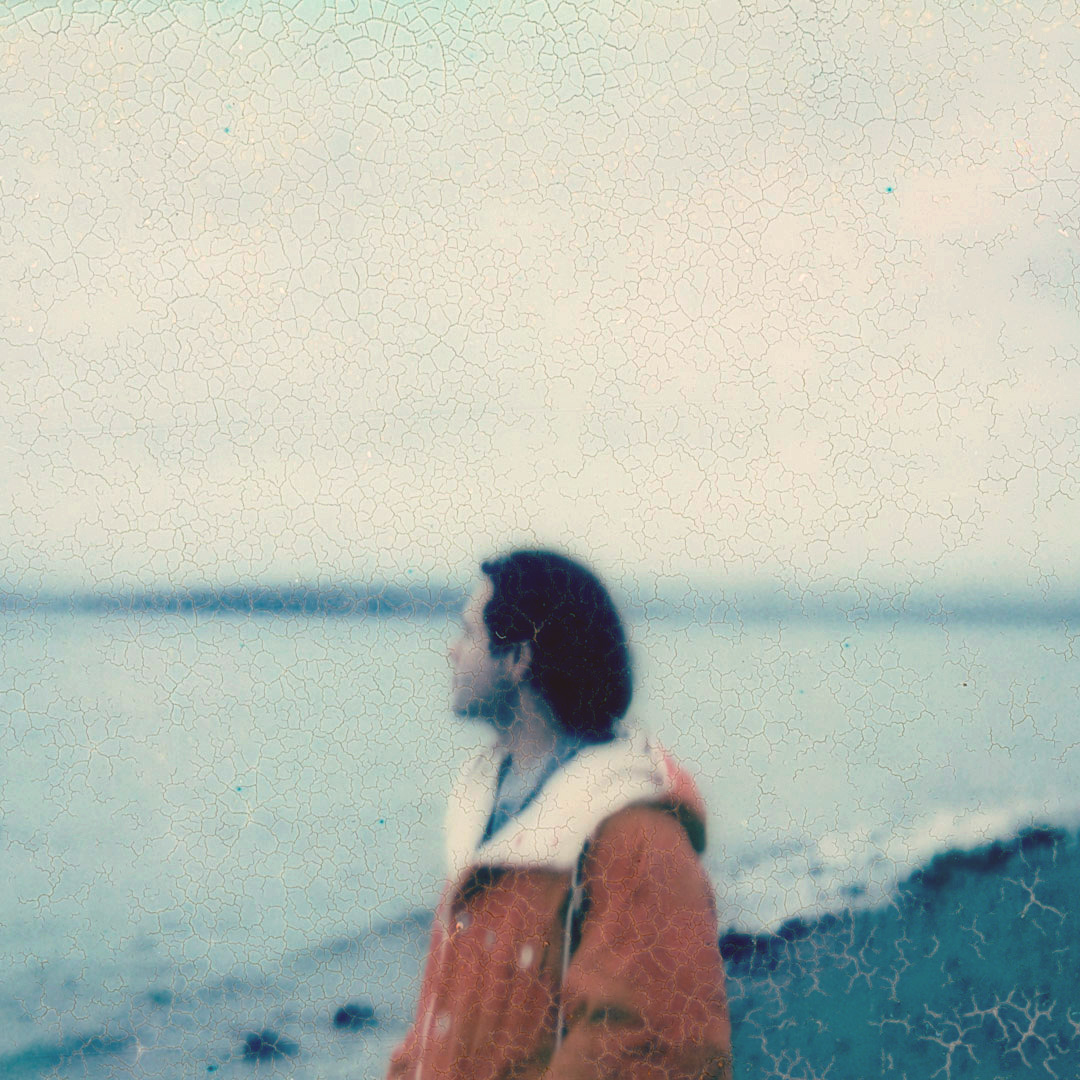
photo KORINNE ALCALA BISIG
wearing coat by TOOGOOD, shirt by OAMC
The first track Momento is a warm and inviting melodic piano composition. It is delicate and enchanting, and like all songs on the EP, dreamy with a touch of melancholy. Like quietly drifting asleep, Memento’s conclusion transitions into a sonic wave of harmonic dissonance into the glossy and bubbly Tephra. Inspired by the bright, tropical aesthetics of Frutiger Aero, Tephra’s sonic textures culminate in a dripping, gritty base, sampled drum beats, distorted 909s, and gooey synths reminiscent of Orbital and Squarepusher. The sounds feel alive in a geologic or tectonic way, like the formation of an island following a volcanic explosion. This blissful, retro-futurist dream sequence is “cut” with the third track and emotional climax, Youth.
The euphoric spell of Tephra is broken as Trawlerboy’s lyrics in Youth reflect themes of nostalgia and happiness; despair and longing. The repetition of “What is the use of youth?” in the middle section expresses the prism of isolation through enveloping and lofty vocals layered over punctuated swaths of strings and piano melodies. Youth opens with the line “I’m tortured by all the happiness I felt,” reflecting on the daunting precarity of time slipping away and the fear of wasting it. The song escalates with the sinister and disquieting, but equally ecstatic phrase, “I’ll never be free.” Whether this is a proclamation or a question, is for us to decide.
animation CODI LEE FANT
TEPHRA is an exploration into the cataclysmic events from our past shaping our present selves. The term is in reference to the hardened material from volcanic eruptions, acting as a geological artifact of the self, memory, and a tangible connection to the most emotionally volatile experiences that, while destructive, also create something deeply fertile and nurturing.
Trawlerboy’s (Lukas Laurent) debut EP Elsewhere is a piercingly intimate portrayal of our innermost desires to escape. Composed of five songs, each distinct in texture and timbre, Elsewhere presents a sonic journeying through otherworldly soundscapes in a quest to reflect the beauty and horror that mark everyday existence. Primarily recorded after a recent move to Seattle, Washington, the EP follows the thematic art of relocation: the sensory experience of being out of place and body.
photo KORINNE ALCALA BISIG
wearing coat by TOOGOOD
Walking and exploring Seattle’s coastal waterfront influenced the wandering structure of the songs, as well as the conceptual underpinnings of walking as a method to articulate the spatial depths of our interior, psychic landscapes to meander our way toward self-liberation. Described as “love letters to my twelve or thirteen-year-old self stuck in a trailer park in North Texas,” each song channels themes of dissociation, solitude, and the futility of self-preservation. Finding early resonance in the music of Richard D James, Björk, Harold Budd, David Sylvian, Bill Evans, and Yellow Magic Orchestra, Trawlerboy’s sound is a kaleidoscope of references that slip between the percussive, atmospheric, electronic, and orchestral.
The first track Momento is a warm and inviting melodic piano composition. It is delicate and enchanting, and like all songs on the EP, dreamy with a touch of melancholy. Like quietly drifting asleep, Memento’s conclusion transitions into a sonic wave of harmonic dissonance into the glossy and bubbly Tephra. Inspired by the bright, tropical aesthetics of Frutiger Aero, Tephra’s sonic textures culminate in a dripping, gritty base, sampled drum beats, distorted 909s, and gooey synths reminiscent of Orbital and Squarepusher. The sounds feel alive in a geologic or tectonic way, like the formation of an island following a volcanic explosion. This blissful, retro-futurist dream sequence is “cut” with the third track and emotional climax, Youth.
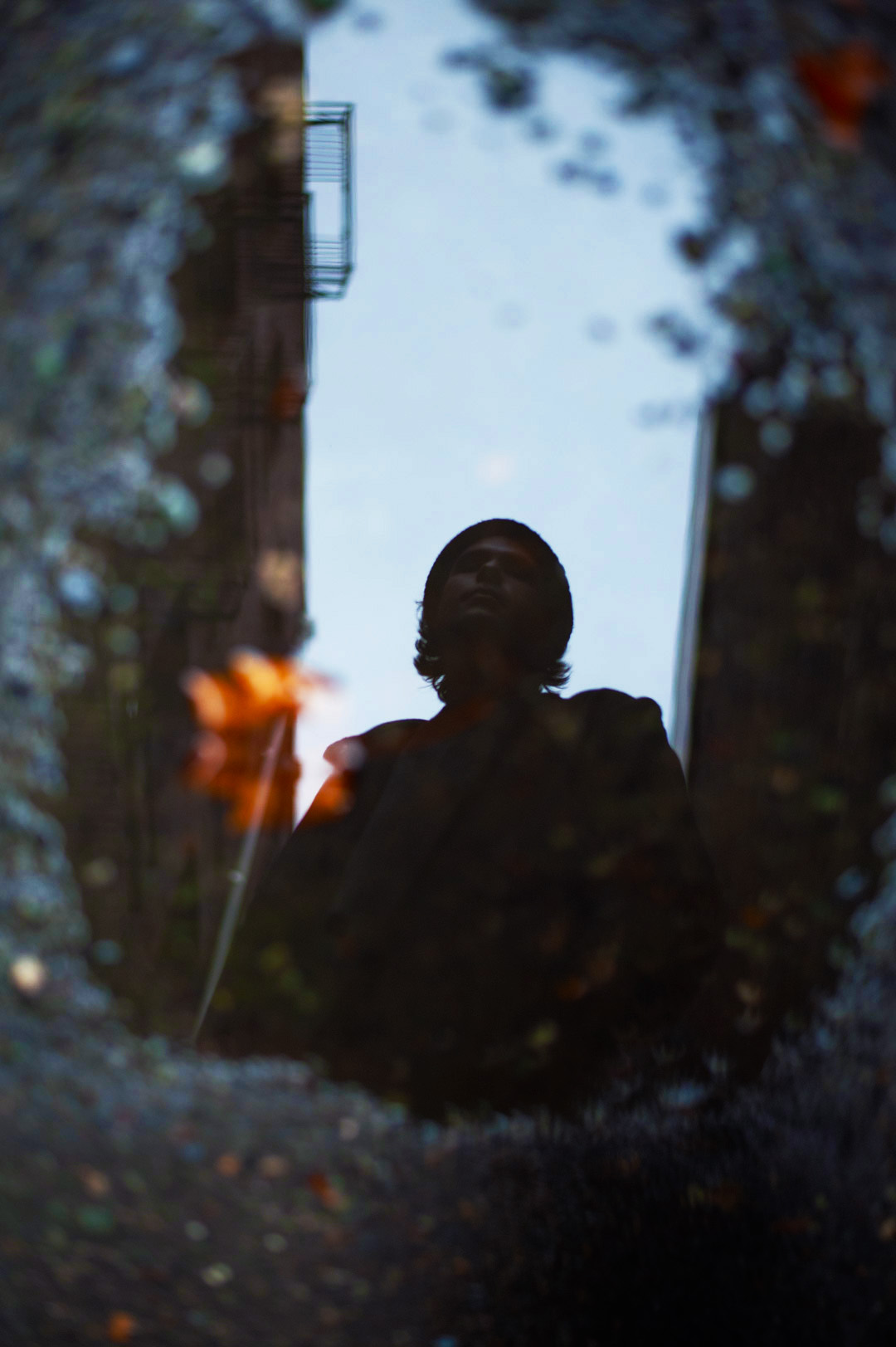
photo KORINNE ALCALA BISIG
wearing coat and hat by TOOGOOD, sweater by DIOR
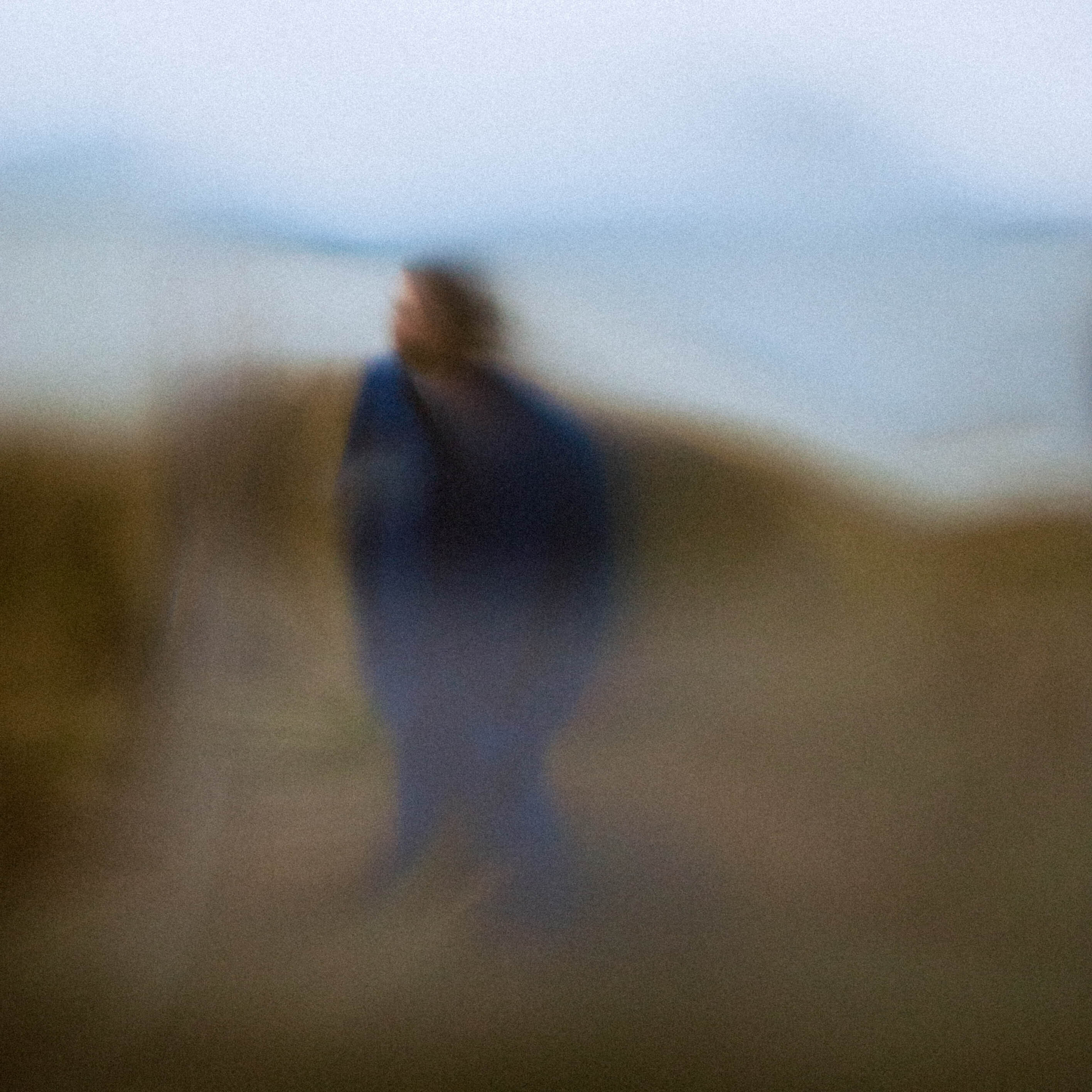
photo KORINNE ALCALA BISIG
wearing coat and trousers by TOOGOOD, shirt by OAMC
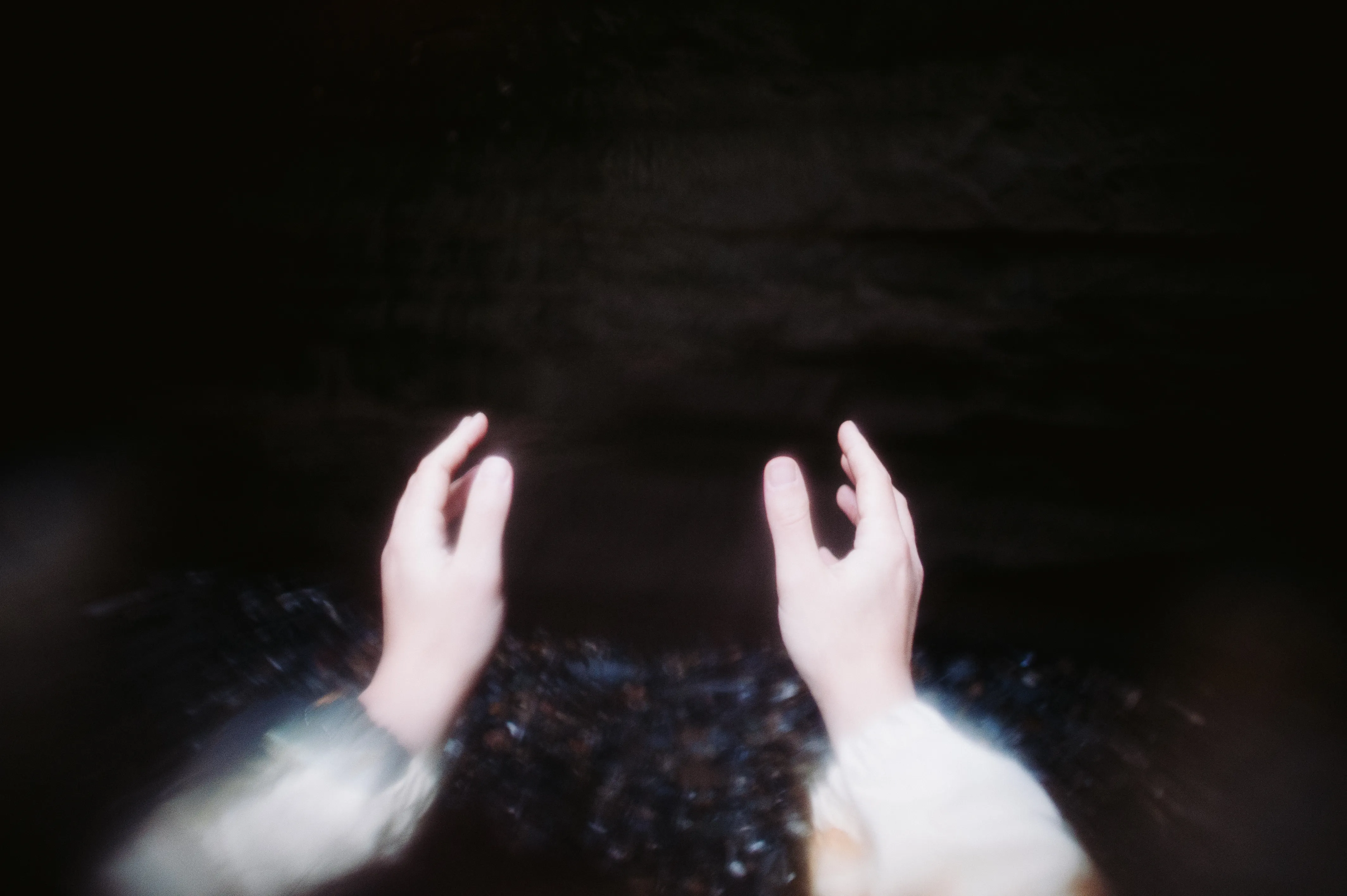
photo KORINNE ALCALA BISIG
wearing coat and hat by TOOGOOD, knit by DIOR
photo KORINNE ALCALA BISIG
wearing coat and trousers by TOOGOOD, shirt by OAMC
animation CODI LEE FANT
TEPHRA is an exploration into the cataclysmic events from our past shaping our present selves. The term is in reference to the hardened material from volcanic eruptions, acting as a geological artifact of the self, memory, and a tangible connection to the most emotionally volatile experiences that, while destructive, also create something deeply fertile and nurturing.
The euphoric spell of tephra is broken as Trawlerboy’s lyrics in Youth reflect themes of nostalgia and happiness; despair and longing. The repetition of “What is the use of youth?” in the middle section expresses the prism of isolation through enveloping and lofty vocals layered over punctuated swaths of strings and piano melodies. Youth opens with the line “I’m tortured by all the happiness I felt,” reflecting on the daunting precarity of time slipping away and the fear of wasting it. The song escalates with the sinister and disquieting, but equally ecstatic phrase, “I’ll never be free.” Whether this is a proclamation or a question, is for us to decide.
In Twombly, we are transported once more to an escapist, fast-paced, and pleasure-seeking world with punchy, slick beats and electric modulations with addictive loops and echoes. The dynamic sonic effects pulse with strobe-like, graduating shimmers. As if free-falling into a nightmare, the synthetic textures and techno grooves edge toward carnal and surreal.
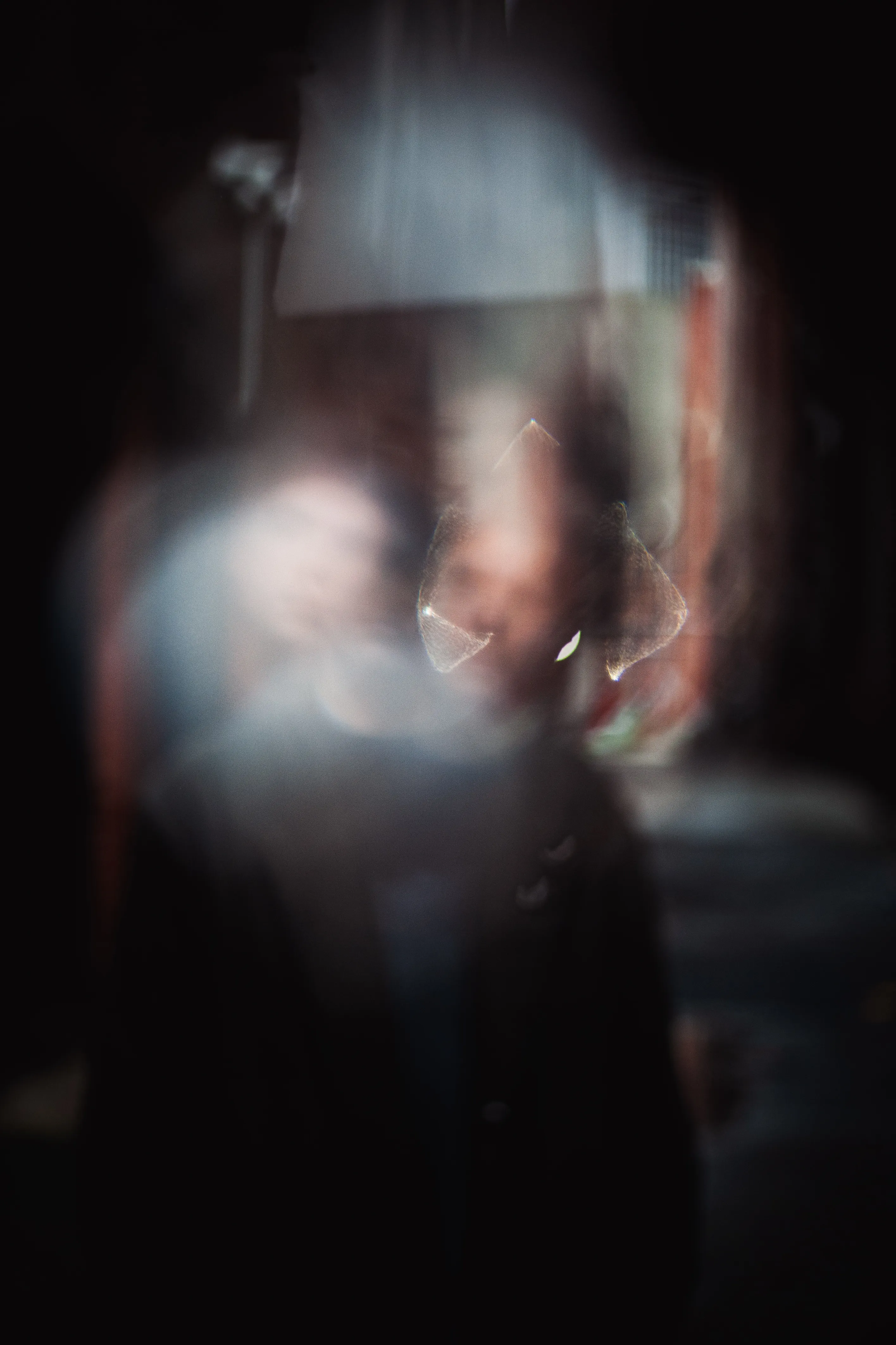
photo KORINNE ALCALA BISIG
wearing coat by TOOGOOD, knit by DIOR
The most tender and somber moments on the EP play out in the final track, Life is Hell. The lyrics and musicality build tension by oscillating between hints of foreboding and promiseful yearning. Somewhere between a confessional and mantra, Trawlerboy reminds us of the thin veil between grief and hope: “Life is hell/It doesn’t mean you can’t be well/Drink more water and call your friends/Write more letters and make amends.”
Trawlerboy’s explorations of human experiences of suffering, desire, and isolation in Elsewhere are informed by the artistic practices of Francis Bacon and Paul Nash. Nash coined the term “seaside surrealism,” while he lived and worked in Swanage from 1934-36 to describe the uncanny and peculiar qualities of the city’s landscape and architecture. Like Nash’s surrealist landscape paintings, Trawlerboy examines the surreality of life itself through practices of automatism, decoding dreams, and liberating the subconscious. These ideas are translated musically through an jazz-influenced improvisational, non-traditional, and loose structure.
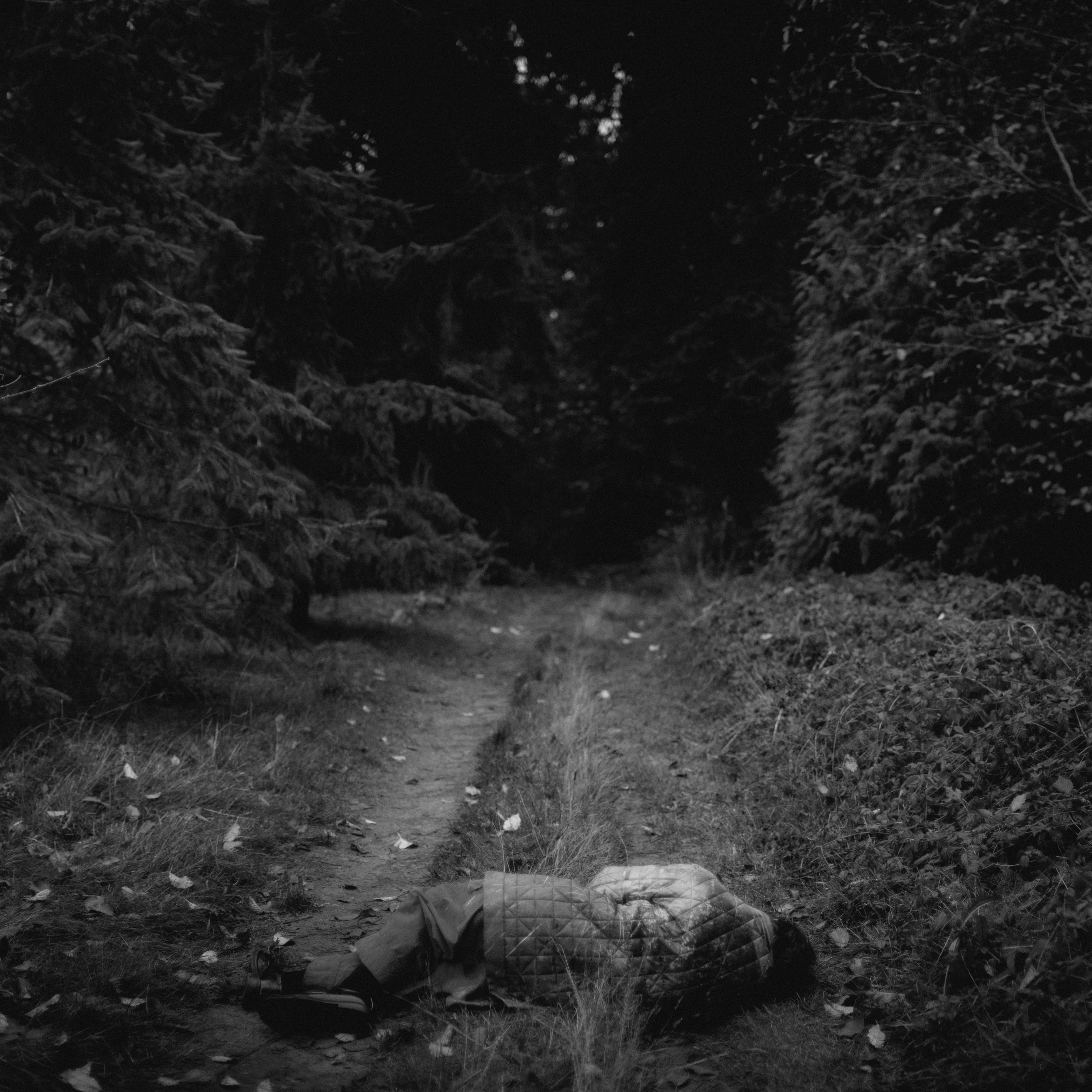
photo KORINNE ALCALA BISIG
wearing jacket by OAMC
Bacon’s paintings depict the human body to express brutality and suffering through nightmarish representations of blurred, distorted bodies. His compositions often feature enclosed architectural spaces or cages that trap the figures in unsettling images of anguish. Like the following quote by Francis Bacon from 1955, “I would like my pictures to look as if a human being had passed between them, like a snail, leaving a trail of the human presence…” Trawerlboy’s Elsewhere is soul-bearing and undeniably reckons with human experience and presence.
animation CODI LEE FANT
TEPHRA is an exploration into the cataclysmic events from our past shaping our present selves. The term is in reference to the hardened material from volcanic eruptions, acting as a geological artifact of the self, memory, and a tangible connection to the most emotionally volatile experiences that, while destructive, also create something deeply fertile and nurturing.
In Twombly, we are transported once more to an escapist, fast-paced, and pleasure-seeking world with punchy, slick beats and electric modulations with addictive loops and echoes. The dynamic sonic effects pulse with strobe-like, graduating shimmers. As if free-falling into a nightmare, the synthetic textures and techno grooves edge toward carnal and surreal.
The most tender and somber moments on the EP play out in the final track, Life is Hell. The lyrics and musicality build tension by oscillating between hints of foreboding and promiseful yearning. Somewhere between a confessional and mantra, Trawlerboy reminds us of the thin veil between grief and hope: “Life is hell/It doesn’t mean you can’t be well/Drink more water and call your friends/Write more letters and make amends.”
photo KORINNE ALCALA BISIG
wearing coat by TOOGOOD, knit by DIOR
Trawlerboy’s explorations of human experiences of suffering, desire, and isolation in Elsewhere are informed by the artistic practices of Francis Bacon and Paul Nash. Nash coined the term “seaside surrealism,” while he lived and worked in Swanage from 1934-36 to describe the uncanny and peculiar qualities of the city’s landscape and architecture. Like Nash’s surrealist landscape paintings, Trawlerboi examines the surreality of life itself through practices of automatism, decoding dreams, and liberating the subconscious. These ideas are translated musically through an jazz-influenced improvisational, non-traditional, and loose structure.
photo KORINNE ALCALA BISIG
wearing jacket by OAMC
Bacon’s paintings depict the human body to express brutality and suffering through nightmarish representations of blurred, distorted bodies. His compositions often feature enclosed architectural spaces or cages that trap the figures in unsettling images of anguish. Like the following quote by Francis Bacon from 1955, “I would like my pictures to look as if a human being had passed between them, like a snail, leaving a trail of the human presence…” Trawerlboy’s Elsewhere is soul-bearing and undeniably reckons with human experience and presence.